

The Amazon Rainforest: Earth’s Green Heart at Risk
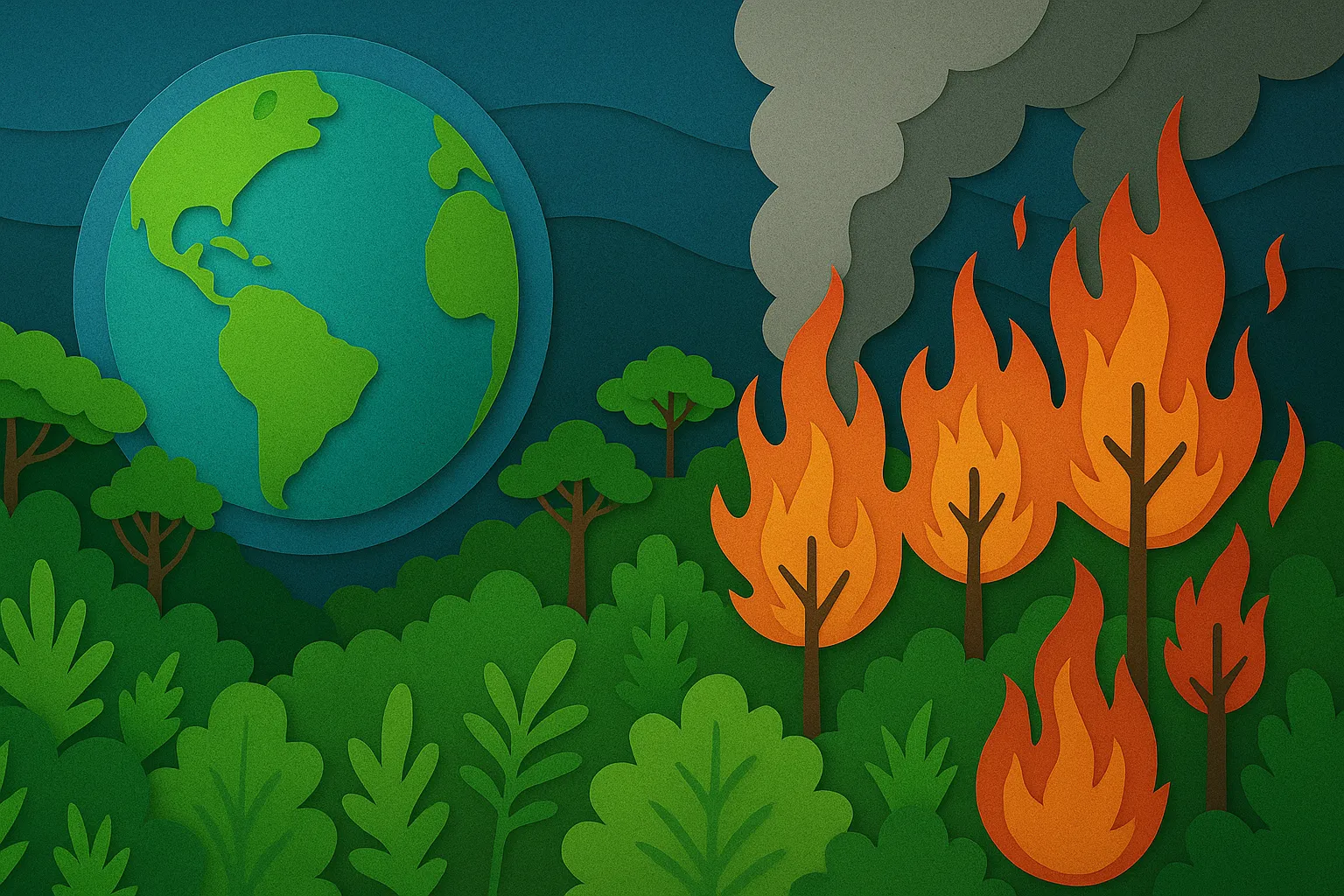
The Amazon Rainforest, spanning over 5.5 million square kilometers, is one of the most biologically diverse regions on Earth. It is home to over 390 billion trees and millions of plant and animal species, many of which are yet to be discovered. Often referred to as the “lungs of the Earth,” the Amazon plays a critical role in regulating the global climate by absorbing vast amounts of carbon dioxide and producing oxygen.
Despite its importance, the Amazon is facing unprecedented threats from deforestation, illegal logging, and mining. Every year, thousands of hectares of forest are cleared to make way for cattle ranching, soybean plantations, and other agricultural activities. This destruction not only displaces countless species but also releases stored carbon into the atmosphere, exacerbating climate change.
Indigenous communities, who have lived in harmony with the Amazon for centuries, are also being affected. Many tribes are losing their ancestral lands to illegal land grabs and resource exploitation, leading to conflicts and loss of cultural heritage.
Moreover, the loss of biodiversity in the Amazon has far-reaching consequences. Plants and animals that could hold the key to new medicines are being lost before they are even discovered. Rivers that once flowed freely are now contaminated with pollutants, affecting both wildlife and human populations.
Efforts to protect the Amazon are ongoing, but time is running out. International organizations, governments, and local communities must work together to implement sustainable practices and enforce stronger regulations. The future of the Amazon – and the health of our planet – depends on our actions today.
Created At: 13/05-2025 05:54