

The Ever-Changing Face of Earth: How Human Activity Shapes Our Planet
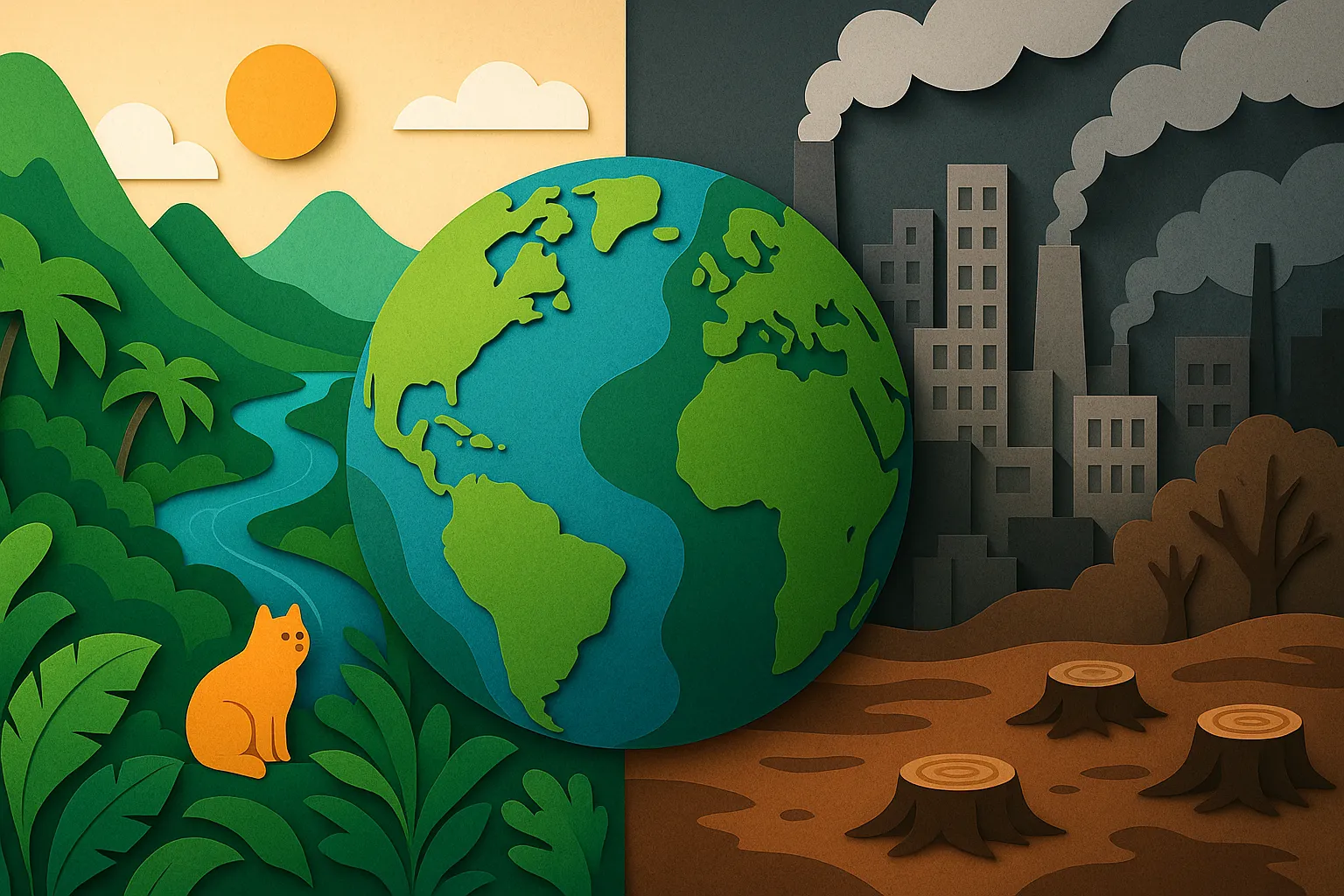
The Earth is a dynamic and ever-changing planet, with natural processes constantly shaping its surface. However, over the past century, human activity has accelerated these changes at an unprecedented rate. From the expansion of urban areas to the deforestation of vast forests, our impact on the Earth is undeniable.
One of the most visible examples of human influence is urbanization. Cities that once spanned a few square kilometers now stretch for miles, consuming land that was once home to rich ecosystems. This rapid expansion not only disrupts natural habitats but also contributes to the urban heat island effect, making cities significantly warmer than surrounding rural areas.
Agriculture has also played a pivotal role in altering the Earth's landscape. Large swathes of land have been cleared to make way for crops and livestock, resulting in soil degradation, loss of biodiversity, and the release of stored carbon. The Amazon Rainforest, often referred to as the "lungs of the Earth," is a stark example of this transformation. Despite being one of the most diverse ecosystems on the planet, the Amazon is under constant threat from illegal logging and land conversion for agriculture.
Moreover, mining and resource extraction have left scars across the Earth's surface. Open-pit mines and drilling sites not only displace local communities but also contaminate water sources and disrupt local ecosystems.
As we continue to shape the Earth to meet our needs, we must also consider the long-term consequences of our actions. Will future generations inherit a planet that is thriving or one that is in ecological decline? The choice is ours to make.
Created At: 13/05-2025 05:53